Start With What Your Floor Is Telling You
Think of a garage floor as the sole of a shoe. It takes the scuffs, the oil drips, the hot tires, and the spills, and it rarely gets any thanks. Then one day you spot a dark patch, a flaking corner, or a fine white dust on your shoes, and you wonder what to do next.
Neighborstrials Floor Coating is a referral service for homeowners in Miami Beach, FL and the Miami Beach area. We do not coat floors ourselves. We connect you with independent local providers in our network who handle epoxy garage floors, concrete coating, and polyaspartic finishes.
This page explains what the work involves, which small jobs you can safely help with, and which steps need professional equipment. You will also learn the early signs that a floor needs attention, so you can act while the fix is still small.
Request a callback to check provider availability for your project.
Prefer to write it out? Use the request form and describe your floor. There is no obligation.
How It Works
What Neighborstrials Floor Coating does and does not do
Neighborstrials Floor Coating is a matchmaker, not a contractor. You tell us about your floor and your timing. We pass that along to an independent provider in our network who serves your part of the Miami Beach area. The provider looks at the slab, explains the options, and gives you a written quote. The work itself belongs to the provider, and so does the quality of it.
Where you can help, and where you cannot
Here is a simple way to think about it. Sweeping a floor is like wiping a table before dinner. Grinding a floor is like sanding that table down to bare wood. One is easy. The other needs machines.
You can safely clear the garage, sweep, degrease light spills with a household cleaner, and take photos of cracks and stains. You can also note where water pools after rain.
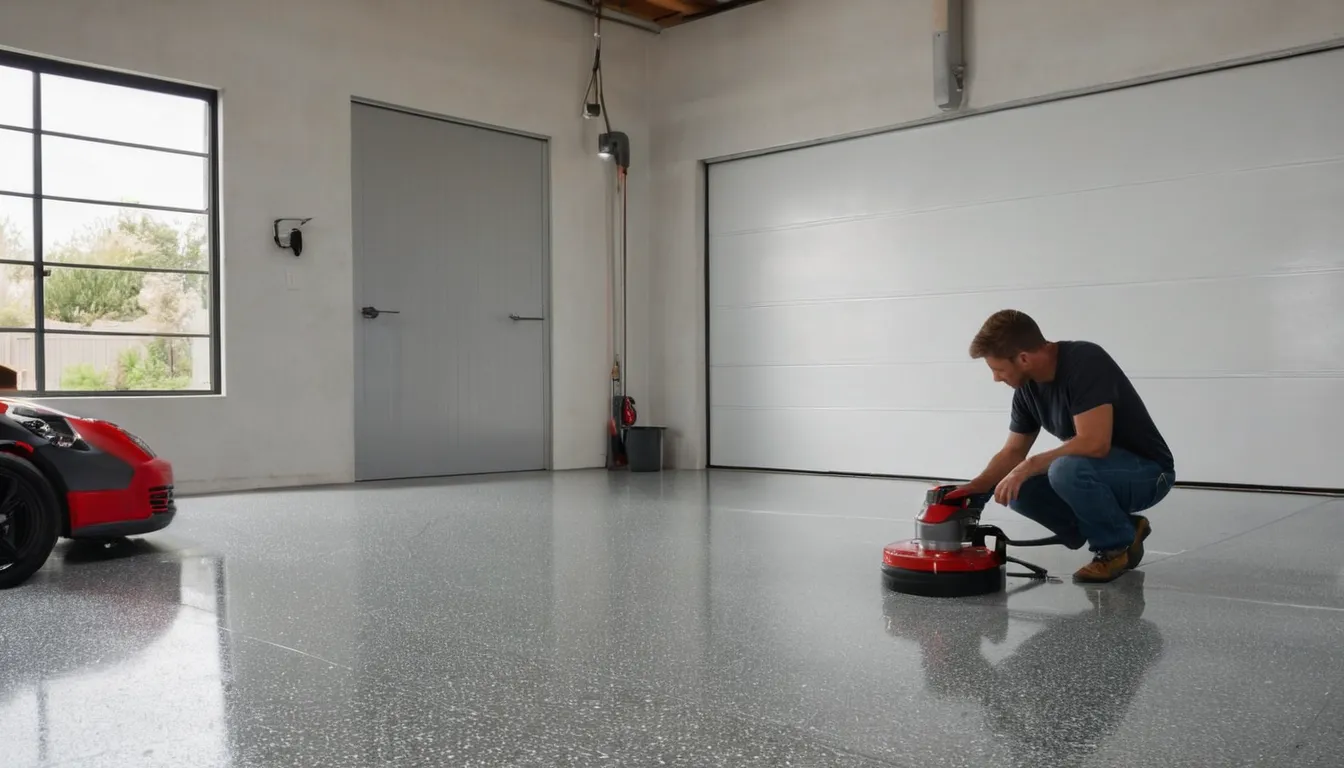
Leave these to a pro: diamond grinding, crack and joint repair, moisture testing, mixing and rolling two-part coatings, and anything that cures fast. These steps need dust control, fresh air, and gear most homeowners do not own. A rushed mix can fail in a few weeks.
Early signs worth a look
Small clues show up first. Look for chalky dust, tire marks that will not clean off, hairline cracks, damp spots under stored boxes, or a floor that looks dull where it once had a shine. A small crack is easy to fill. A crumbling edge is a bigger job. Acting early usually keeps the repair smaller and the quote more modest.
Floors in Our Local Climate
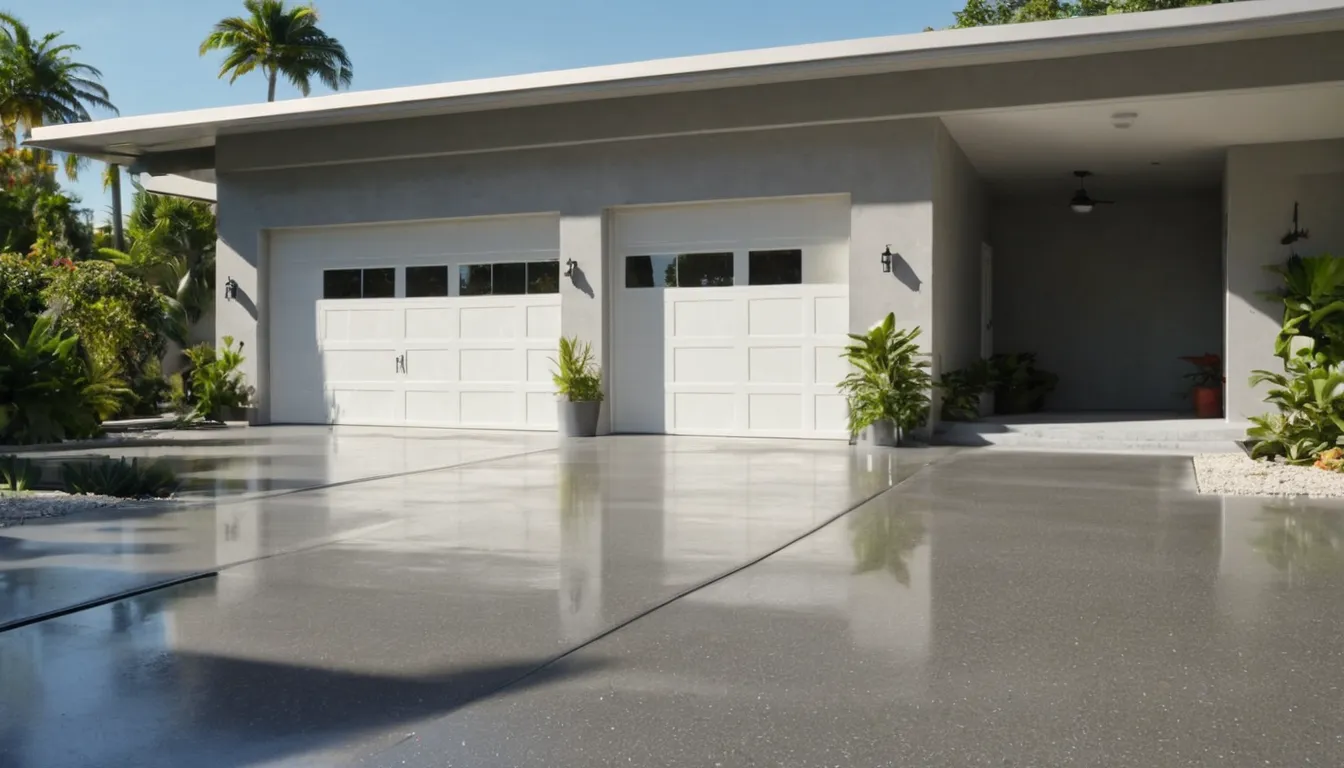
Homes in Miami Beach and across the Miami Beach area share a few traits that matter for floors. Many are concrete block houses built on slabs, with few or no basements. Plenty sit in subdivisions from the 1970s through the 2000s, and many more are condos with shared rules about garages and patios.
The weather adds its own pressure. Humidity stays high most of the year, and summer storms roll in almost daily. Picture a cold glass of iced tea on a porch. It beads up with water even though nothing leaked. A slab can do something similar, pulling moisture up from the ground and letting it out as vapor. A coating put down without checking for that can bubble or peel.
That is why local experience counts. Providers in our network work in this climate. They know how to test a slab, when to wait for a dry stretch, and how to plan around hurricane season, which runs June to November.
Request a callback to check provider availability in your neighborhood.
If you would rather list the details first, send a request and a provider can follow up.
What Homeowners Here Should Know Before Hiring
Concrete is a sponge, just a slow one
Concrete looks solid, but it is full of tiny pores. Like a dry kitchen sponge, it drinks up water and oil. That is why a spill can leave a permanent mark, and why a coating needs a clean, open surface to grip.
What storm season does to a garage floor
Heavy rain, wind-driven water under the door, and damp air all reach your slab. Between June and November, plan coating work around the forecast. Providers often schedule jobs for drier windows so the product cures well.
Condos and neighborhood rules
If you live in a condo or a community with an association, check the rules first. Some require approval for garage changes or limit work times. A provider can describe what the job involves so your paperwork is easy.
Typical costs, in plain numbers
In the U.S., coated garage floors often run roughly $3 to $12 per square foot, and a two-car garage may land between about $1,500 and $5,000 or more. Prep, cracks, and the product all change the total. Always get a written quote.
Questions to ask a provider
Ask how the surface will be prepared, whether the slab is tested for moisture, what product is used, how long before you can walk or park on it, and what the written quote includes. Clear answers are a good sign.
Custom floor finishes
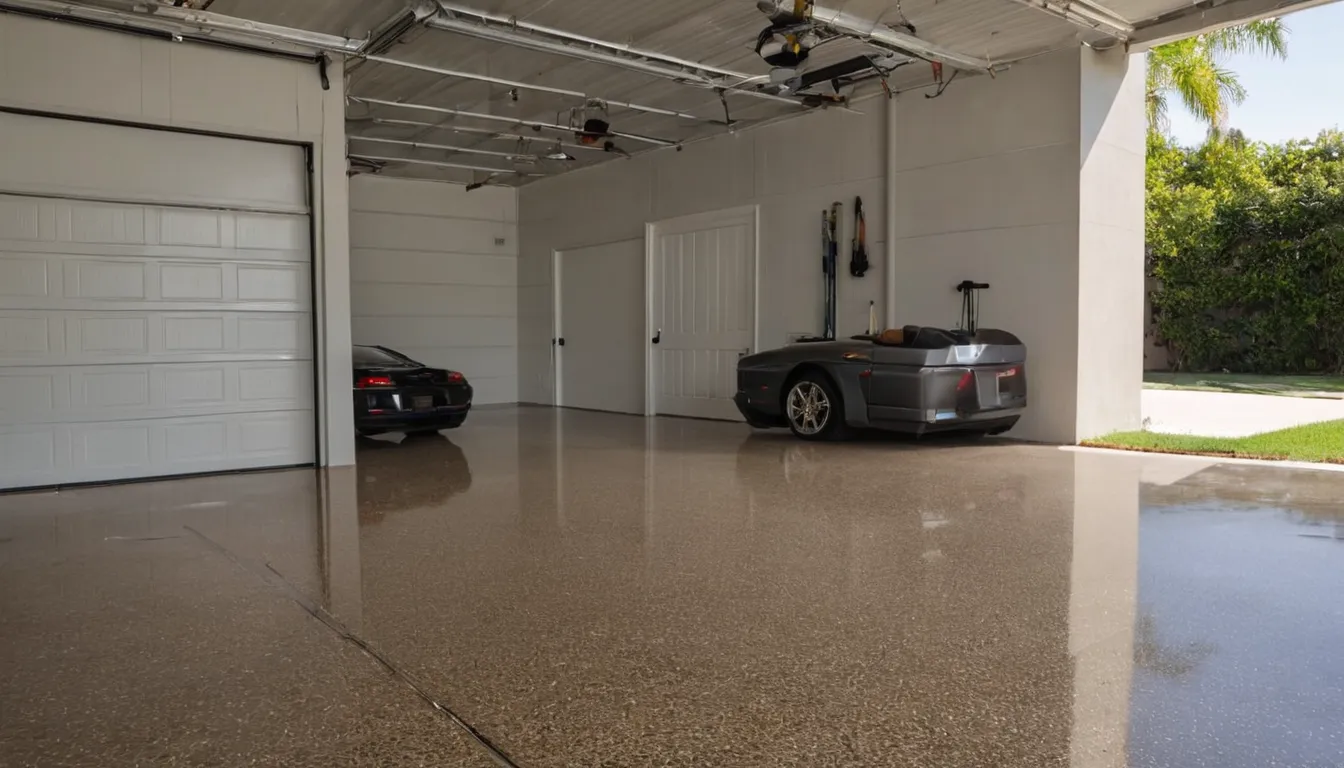
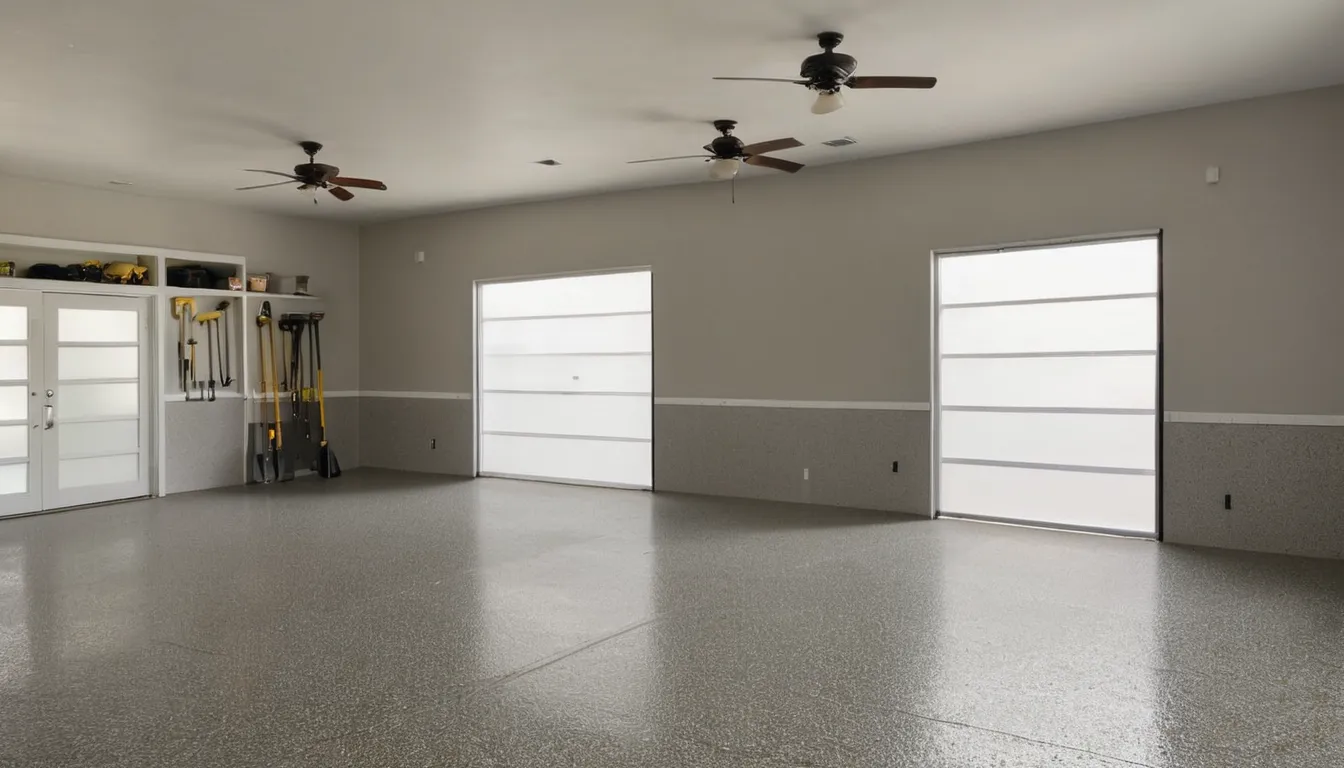
Coatings are not only gray. Flakes, solid colors, metallic looks, and sealed concrete are all possible. Custom floor finishes can make a garage feel like part of the house. Ask to see samples in your own light.
Beyond the garage
Some projects reach inside the house. If you are also planning hardwood flooring installation or other flooring work, mention it in your request. It can be passed along so you are pointed toward a provider who may be able to help.
Getting started
Take a few photos, note any cracks or damp spots, and measure the space roughly. That small bit of homework helps a provider give a clearer quote. Then request an estimate when you are ready.
Ready When You Are
Have a floor question, or a project ready to start? Request a callback to check provider availability and talk through what you are seeing.
Or share your garage size, the floor's condition, and your timing through the form. A provider in our network can respond with next steps and a written quote.